
The key traits of a successful Trader is conquering one’s emotions.
“Subscribe for Stock Picks, Trends & Trading Lessons sent directly to your inbox.”
Trading stocks and options is more than just numbers on a screen; it’s a deeply emotional journey. Traders face highs and lows daily, testing their ability to stay composed, disciplined, and focused. Building emotional resilience as a trader isn’t optional—it’s the foundation for long-term success. Without it, emotions like fear, greed, and frustration can derail even the most promising strategies.
In this article, we’ll explore actionable steps to strengthen your trader psychology, master emotions in stock and options trading, and build the mental toughness necessary to thrive in any market condition.
Table of Contents
- Introduction: What is Emotional Resilience in Trading?
- Why Emotional Resilience Matters for Traders
- The Emotional Challenges Traders Face
- How to Build Emotional Resilience as a Trader
- The Long-Term Benefits of Emotional Resilience
- Closing Thoughts: The Journey to Emotional Resilience
What Is Emotional Resilience in Trading?

Emotional resilience is your ability to navigate stressful or emotional trading scenarios without being overwhelmed. It’s the skill that allows you to bounce back from a losing streak, stick to your strategy during uncertainty, and avoid chasing trades out of desperation.
For traders, emotional resilience is the bridge between knowledge and execution. Even the best strategies won’t work if emotional instability causes impulsive decisions. By mastering your emotions, you can trade with clarity, consistency, and confidence.
Why Emotional Resilience Matters for Traders
- Reduces Emotional Trading: Emotional resilience helps traders avoid knee-jerk reactions like panic selling or revenge trading.
- Improves Decision-Making: Staying calm under pressure leads to rational, well-thought-out decisions.
- Increases Longevity: Emotional resilience prevents burnout, helping traders sustain their careers over the long term.
- Boosts Confidence: Resilient traders trust their strategies, even during challenging periods.
The Emotional Challenges Traders Face
Every trader deals with emotional hurdles. Recognizing these challenges is the first step toward overcoming them.

1. Fear and Anxiety
- Fear of losing money or making the wrong decision can lead to inaction or poor trades.
- Anxiety can cause overanalysis, leading to missed opportunities.
2. Greed and Overconfidence
- Greed drives traders to overleverage or hold positions longer than they should.
- Overconfidence after a winning streak can lead to reckless trading.
3. Frustration and Revenge Trading
- Losses can frustrate traders, leading to revenge trades aimed at “winning back” money quickly.
- This emotional response often worsens losses.
4. Impatience
- Impatience can cause traders to abandon a strategy or jump into trades without proper analysis.
How to Build Emotional Resilience as a Trader
Let’s dive into actionable strategies to develop the emotional strength needed for consistent success in stock and options trading.
1. Master Your Mindset
Your mindset is the foundation of emotional resilience. Developing a growth-oriented, disciplined mindset can transform your trading experience.
- Embrace the Process, Not the Outcome: Focus on executing your strategy correctly rather than obsessing over immediate profits.
- Learn from Losses: Every trade, whether a win or loss, offers valuable lessons. View losses as tuition for becoming a better trader.
- Detach Your Self-Worth from Your P/L Statement: You are not your trading account balance. Emotional resilience starts with separating your identity from your results.
Mantra: “My goal is growth, not perfection.”
2. Develop a Trading Routine
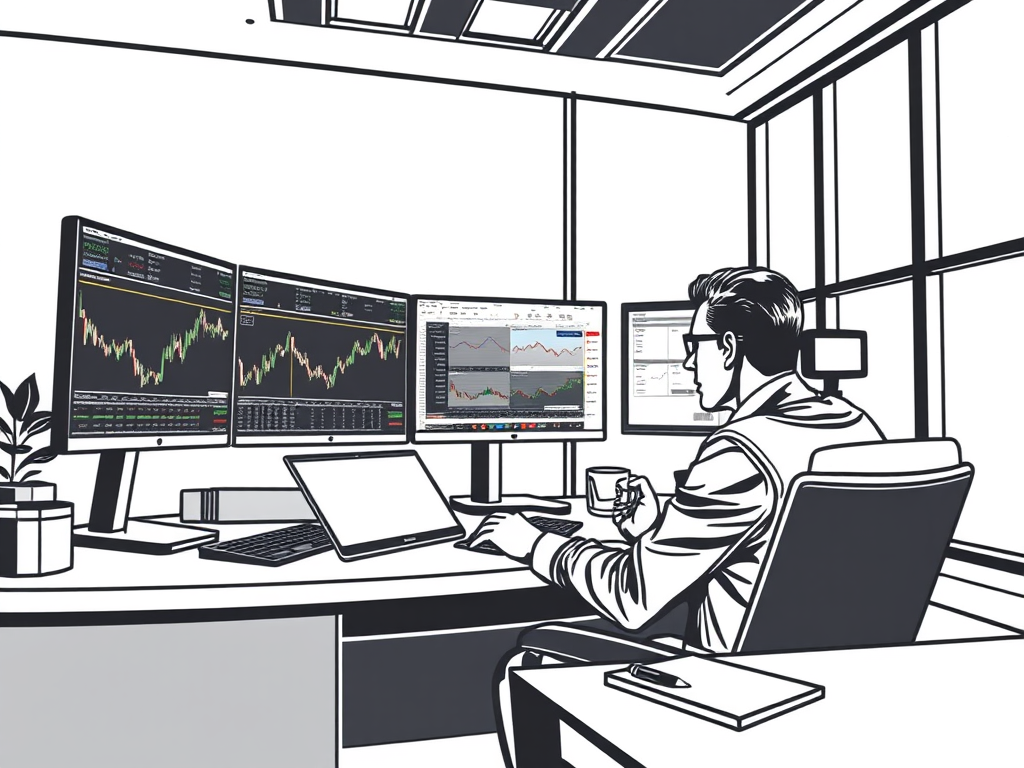
Structure brings clarity and reduces emotional volatility. A well-defined trading routine helps traders stick to their strategies and avoid impulsive decisions.
- Pre-Market Prep: Spend time analyzing charts, news, and your watchlist before the market opens.
- Set Entry and Exit Rules: Define your criteria for entering and exiting trades. Follow these rules strictly.
- Post-Market Review: Journal your trades daily, noting what went well and what didn’t. This habit builds awareness and resilience over time.
3. Manage Stress Effectively
Stress is inevitable in trading, but how you manage it determines your success. Incorporate stress management techniques into your daily routine.
- Deep Breathing: Practice deep breathing exercises to calm your mind during volatile market conditions.
- Exercise: Regular physical activity reduces stress and improves focus.
- Meditation: Meditation helps traders stay present and reduces emotional reactivity.
4. Build a Strong Support System
Trading can be isolating, but you don’t have to go it alone. Surround yourself with people who understand your journey.
- Trading Communities: Join online forums or local groups to share experiences and learn from other traders.
- Mentors: A mentor can offer guidance, support, and perspective when you face emotional challenges.
- Family and Friends: Share your trading goals with loved ones so they can offer encouragement and understanding.
5. Implement Risk Management

Emotional resilience thrives when you know your risk is under control. Proper risk management reduces fear and anxiety.
- Set Stop-Loss Orders: Predetermine the maximum loss you’re willing to take on a trade.
- Limit Position Sizes: Avoid overleveraging by keeping your position sizes manageable.
- Diversify Your Trades: Spread risk across multiple assets or strategies.
Mantra: “Risk management is my safety net.”
6. Focus on What You Can Control
The market is unpredictable, but your actions are within your control. Channel your energy into areas where you have influence.
- Your Strategy: Stick to your plan and trust your process.
- Your Reaction: Stay calm and composed, regardless of market conditions.
- Your Growth: Focus on improving your skills and discipline daily.
Mantra: “I let go of what I can’t control.”
8. Avoid Overtrading
Overtrading is a sign of emotional instability. Prevent it by setting boundaries.
- Daily Trade Limits: Limit the number of trades you take each day to avoid impulsive actions. If you have to contact your broker to implement a limit.
- Scheduled Breaks: Step away from your screen periodically to reset your mind.
- Respect Market Conditions: If the market doesn’t align with your strategy, sit out.
Mantra: “Patience is my edge.”
9. Leverage Technology
Use tools to automate and simplify your trading, reducing emotional interference.
- Automated Stop-Losses: Protect your downside without second-guessing.
- Alerts: Set alerts for price levels or indicators to stay informed without constant monitoring.
- Trading Journals: Use software to track and analyze your trades.

The Long-Term Benefits of Emotional Resilience
Building emotional resilience doesn’t just improve your trading—it enhances every aspect of your life. Resilient traders experience:
- Consistent Performance: Emotional stability leads to steady results.
- Greater Confidence: Resilient traders trust themselves and their strategies.
- Longevity in Trading: Emotional resilience prevents burnout and fosters sustainability.
Closing Thoughts: The Journey to Emotional Resilience
Emotional resilience is a skill every trader can develop. By mastering your mindset, creating routines, managing stress, and focusing on long-term growth, you can navigate the emotional challenges of stock and options trading with confidence.
Remember, trading is a marathon, not a sprint. Build resilience one step at a time, and you’ll not only improve your performance but also enjoy the journey.
Actionable Takeaways:
- Start journaling your trades to track emotional patterns.
- Practice daily mindfulness to reduce emotional reactivity.
- Set clear trading rules and follow them consistently.
“Emotional resilience isn’t about avoiding emotions; it’s about mastering them.”
Let your resilience become your greatest trading asset.
“Subscribe for Stock Picks, Trends & Trading Lessons sent directly to your inbox.”
 Trade Profit Journal
Leave a reply to Building resilience to overcome option trading risks – gregoryrsmith.com Cancel reply